
History, Memory & Biography
Engage in a conversation with history- and confront it- with collections of letters, memoirs, and firsthand accounts from our authors.
(In order of publication)
More Letters from the Edge: Outrider Conversations
A collection of letters exchanged between the author and four “outriders”—artists, writers, and activists who risk everything to confront censorship, injustice, and the constraints of convention.
Letters from the Edge: Outrider Conversations
By: Margaret Randall
By excerpting from letters she exchanged with five irreverent writers and artists, Margaret Randall constructs conversations that open windows on four pivotal moments in her life and on world events.
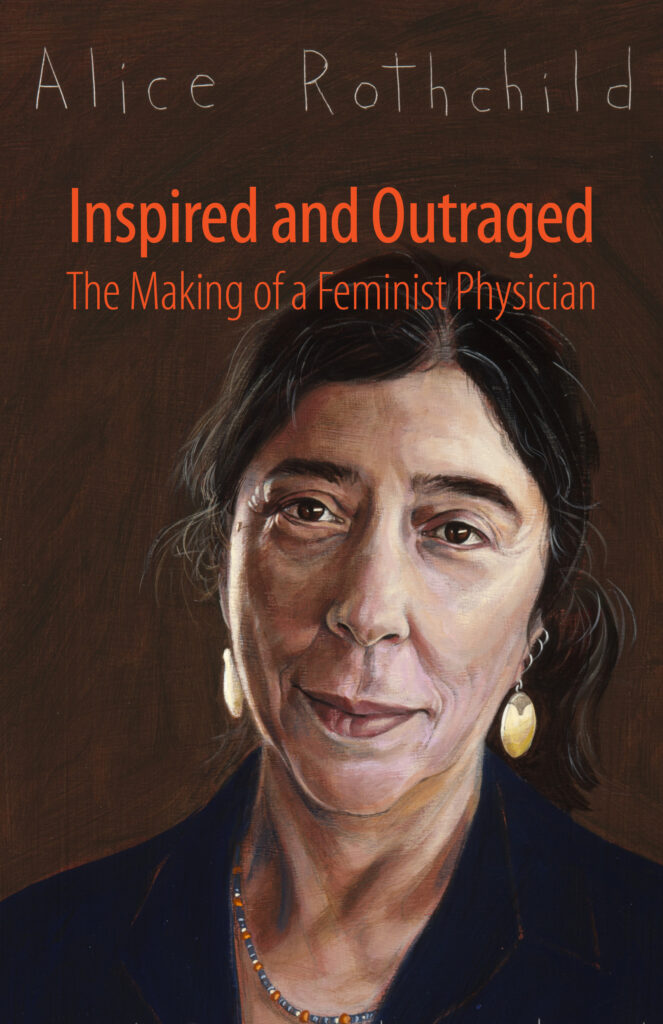
Inspired and Outraged: The Making of a Feminist Physician
By: Alice Rothchild
A remarkable autobiography—written entirely in free verse—of Alice Rothchild’s journey from 1950’s good girl to irreverent, feisty, feminist obstetrician-gynecologist forging her own direction in the contradictory, sexist world of medicine.
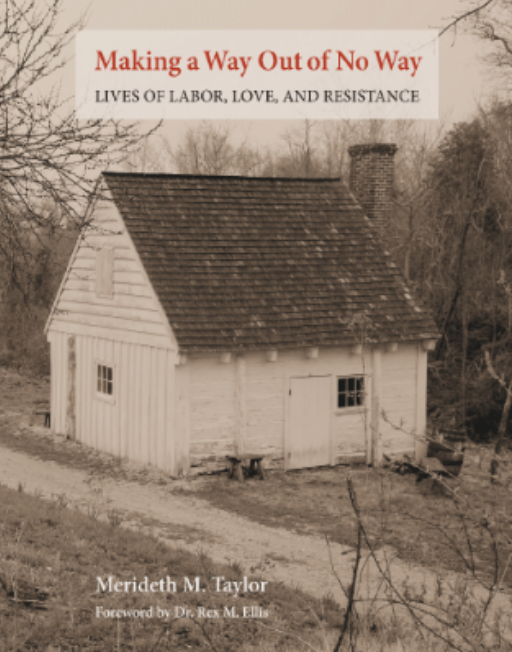
Making a Way Out of No Way: Lives of Labor, Love, and Resistance
By Merideth M. Taylor
Foreword by Dr. Rex M. Ellis
A richly imagined, photo illustrated narrative of 150 years of life in slavery on tobacco plantations in Southern Maryland. The work is a poetic interwoven collage of scenes and community of characters that reflect the diversity of experience, “silences,” and incompleteness of the historical record.
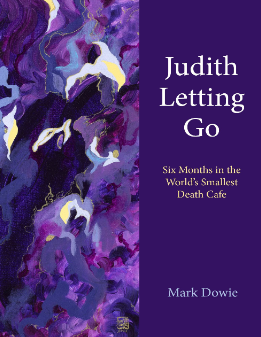
Judith Letting Go: Six Months in the World’s Smallest Death Cafe
By Mark Dowie
The story of an old man learns how to die from a younger woman facing death, this book is ultimately about the lost human art of releasing everything that matters to the living in preparation for the inevitable. It is a rare lesson offered by a poet who somehow taught herself, and then the author, how to let go.
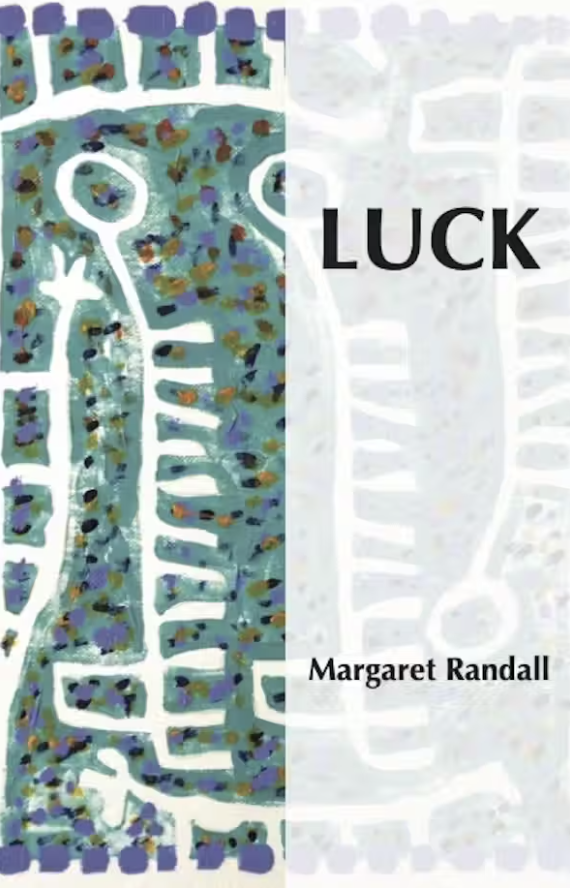
Luck
By Margaret Randall
Illustrations by Barbara Byers
Luck is a collection of essays that combines scholarly research with personal experience, producing texts both intimate and illuminating. Always attentive to the world around her and the one within, Randall has brought us her most relevant and powerful essays to date.
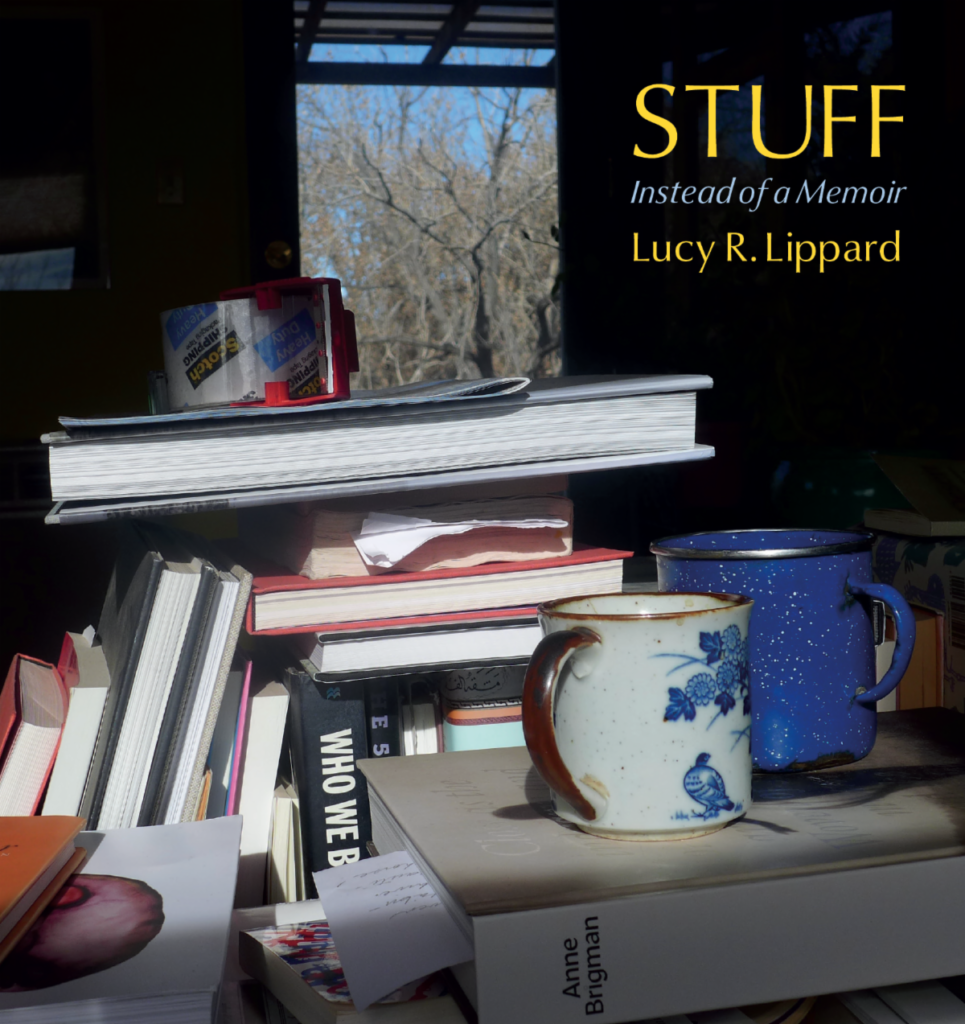
Stuff: Instead of a Memoir
By Lucy r. Lippard
Stuff: Instead of a Memoir is a short, abundantly illustrated autobiography of the American art writer, activist, and curator Lucy R. Lippard. Describing tchotchkes, photographs, and art in her unpretentious New Mexico home, the author informally narrates key events and relationships in her 86-year-long, highly creative life.
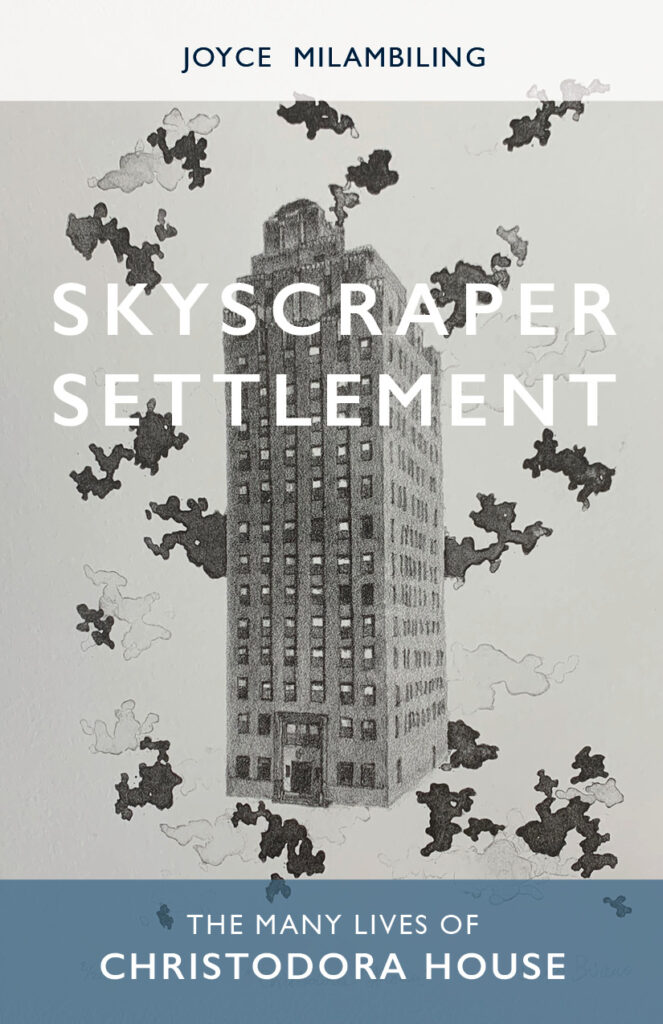
Skyscraper Settlement: The Many Lives of Christodora House
By Joyce Milambiling
The roles that Christodora House has played from 19th-century settlement house up to its newest form. Settlement house workers have helped transform the lives of thousands of people despite lack of funding, the influenza epidemic of 1918, economic depressions, and two World Wars.
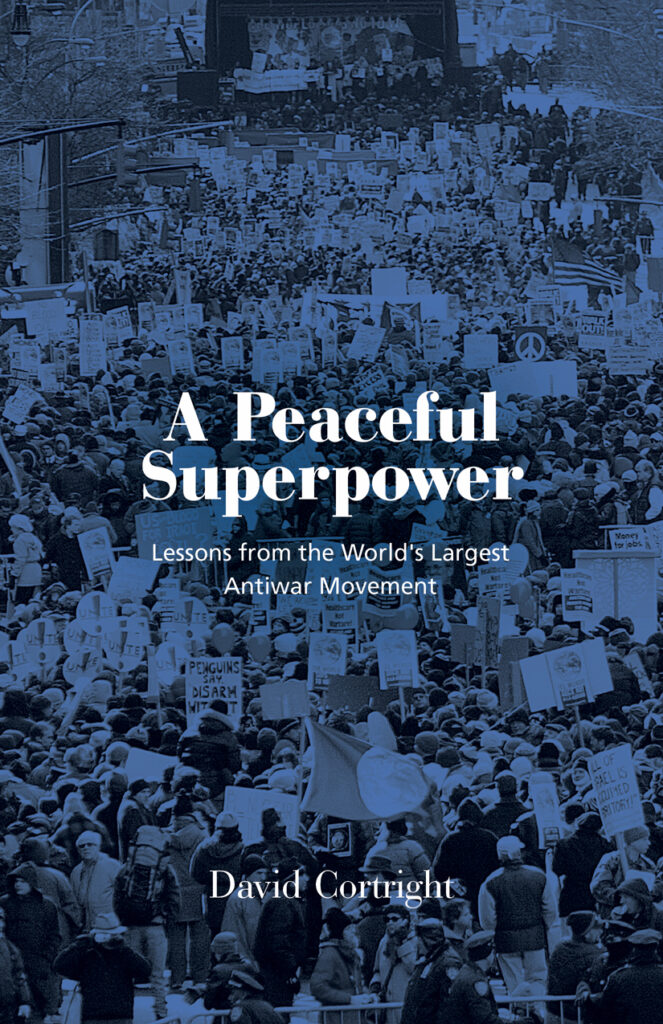
A Peaceful Superpower: Lessons from the World’s Largest Antiwar Movement
By David Cortright
A definitive analysis of the impacts of the Iraq antiwar movement told by distinguished peace scholar and activist David Cortright.
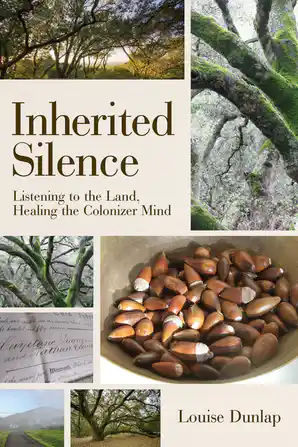
Inherited Silence: Listening to the Land, Healing the Colonizer Mind
They lived the dream of Manifest Destiny; their consciousness changing only gradually over the generations. Dunlap looks back into California’s and America’s history for the key to their silences and a way to heal the wounds of the land, its original people, and the harmful mind of the colonizer.
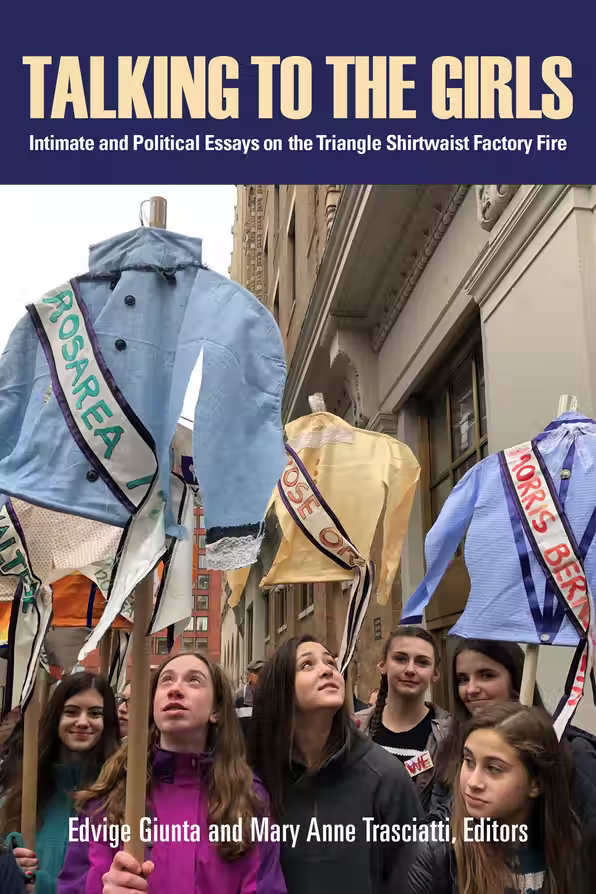
Talking to the Girls: Intimate and Political Essays on the Triangle Shirtwaist Factory Fire
Edited by Edvige Giunta and Mary Anne Trasciatti
Talking to the Girls is a written memorial to the victims of the Triangle Shirtwaist Factory fire, bringing together stories from writers, artists, activists, scholars, and family members of the Triangle workers to speak on this singular, tragic event that had a remarkable impact.
Healing from Genocide in Rwanda: Rugerero Survivors Village, an Artist Book
By Susan Viguers and Lily Yeh
Healing from Genocide in Rwanda demonstrates the power of art in the service of healing and is a testimony to responsive community process in a highly sensitive environment. The work immerses readers in the stories of two Rwandans who as small children experienced the 1994 Genocide. It tells of the horrific tragedy each survived, the courage necessary for surviving, and the humanity they embody.
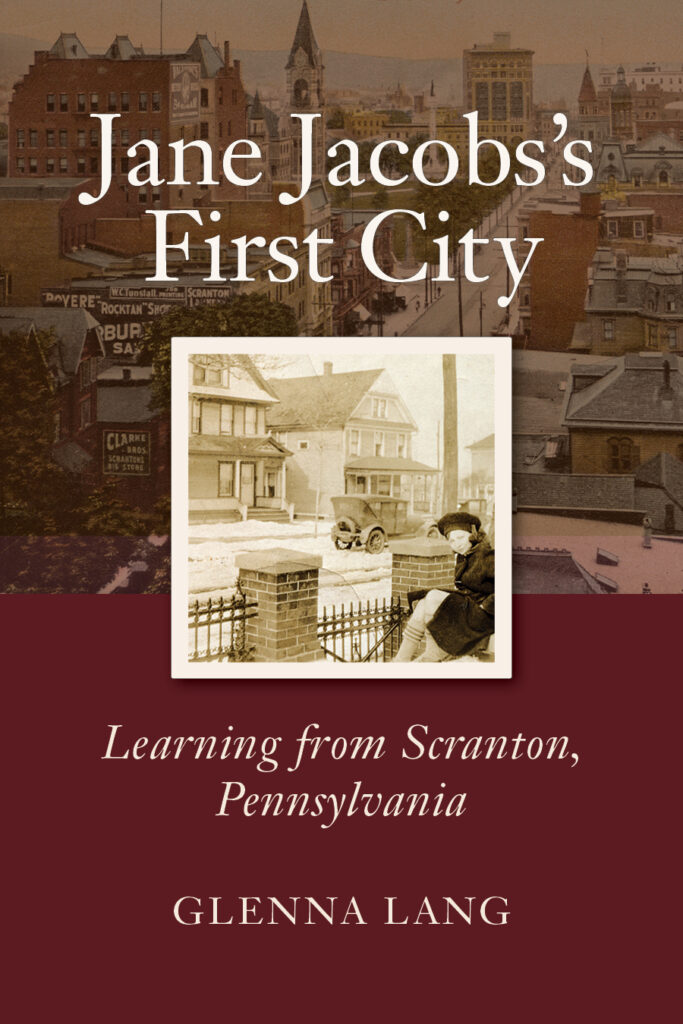
Jane Jacobs’s First City: Learning from Scranton, Pennsylvania
By Glenna Lang
A brilliant work of scholarship that convincingly shows how Jane Jacobs’s canonical work on urbanism and the life of great cities, her work on city and national economies, and her underlying social and ethical foundations developed in the historic, mid-sized city of Scranton, Pennsylvania.
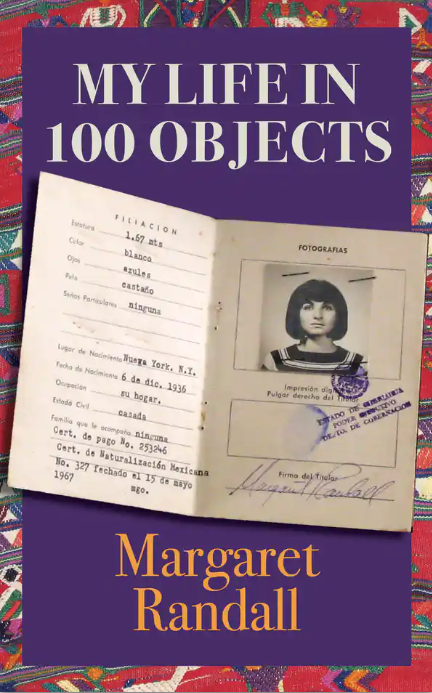
My Life in 100 Objects
My Life in 100 Objects is a personal reflection on the events and moments that shaped the life and work of one extraordinary woman. With a masterful, poetic voice, Margaret Randall uses talismanic objects and photographs as launching points for her nonlinear narrative. Interwoven throughout are her most precious relationships, her growth as an artist, and her brave, revolutionary spirit.
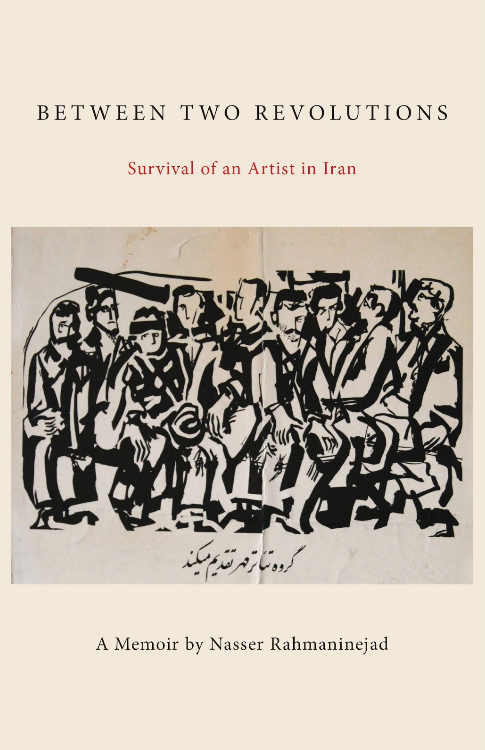
A Man of the Theater: Survival as an Artist in Iran
A Man of the Theater tells the personal story of a theater artist caught between the two great upheavals of Iranian history in the 20th century.
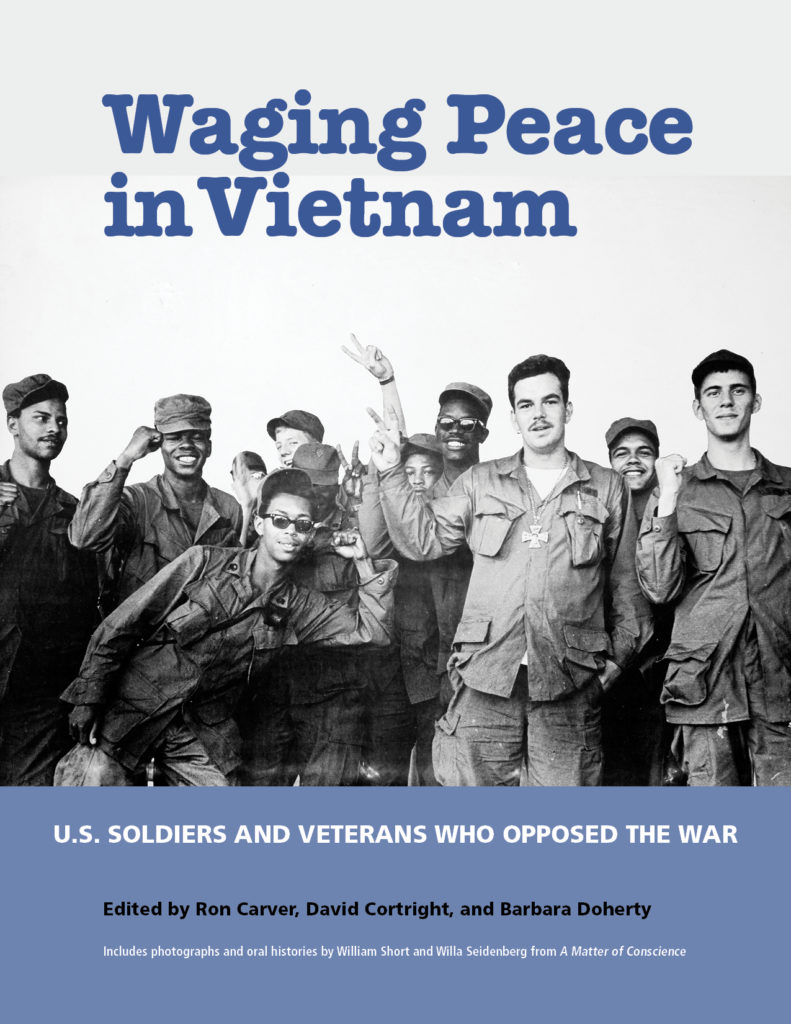
Waging Peace in Vietnam: U.S. Soldiers and Veterans Who Opposed the War
By Ron Carver, David Cortright, and Barbara Doherty, editors
Waging Peace in Vietnam shows how the GI movement unfolded, presenting first-hand accounts, oral histories, and underground newspapers, posters, flyers, and photographs documenting the actions of GIs and veterans who took part in the resistance.
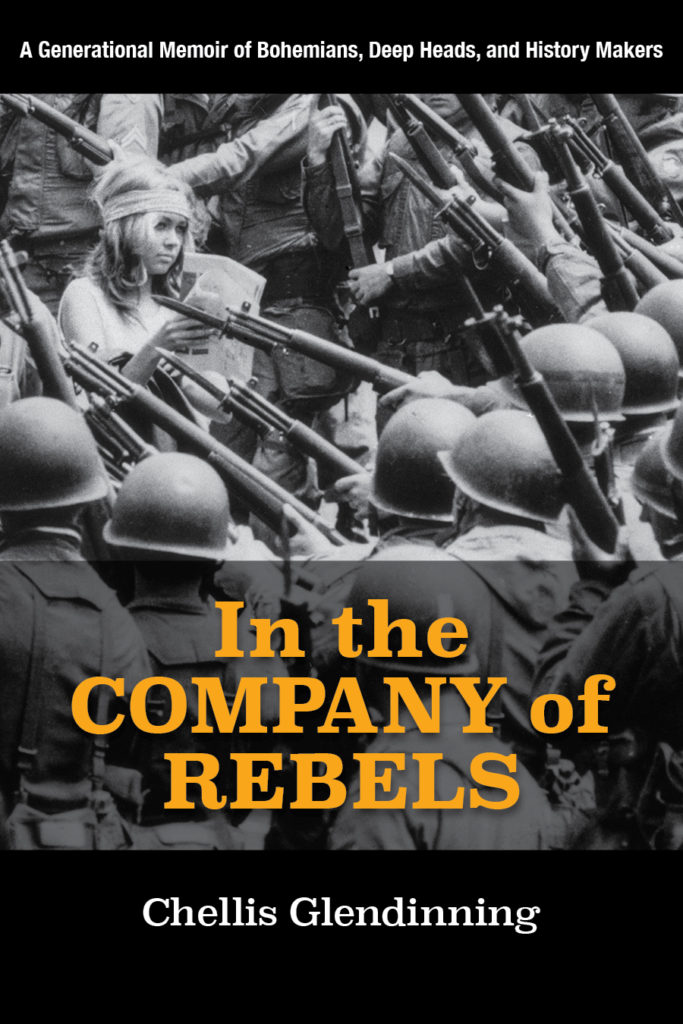
In the Company of Rebels: A Generational Memoir of Bohemians, Deep Heads, and History Makers
A personal portrait of 46 activists, artists, radicals, and thinkers who raised issues of justice, the environment, feminism, and colonialism
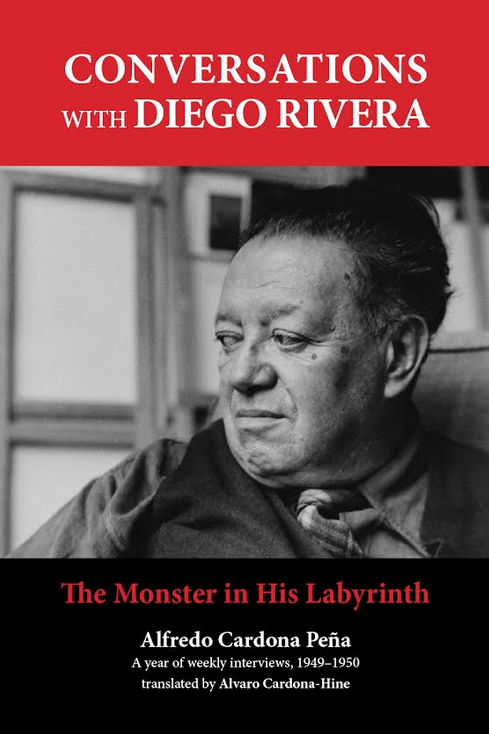
Conversations with Diego Rivera: The Monster in His Labyrinth
By Alfredo Cardona Peña
Translated by Alvaro Cardona-Hine
A year of weekly interviews (1949–1950) with artist Diego Rivera by poet Alfredo Cardona-Peña disclose Rivera’s iconoclastic views of life and the art world of that time.